
Every cat parent wants their feline friend to live a long, happy, and healthy life. But with so much information out there, it can be overwhelming to know exactly what your cat needs. Let’s break down the essential elements of cat health care into actionable, easy-to-follow steps that will help your furry family member thrive.
Regular Veterinary Care: Your First Line of Defense
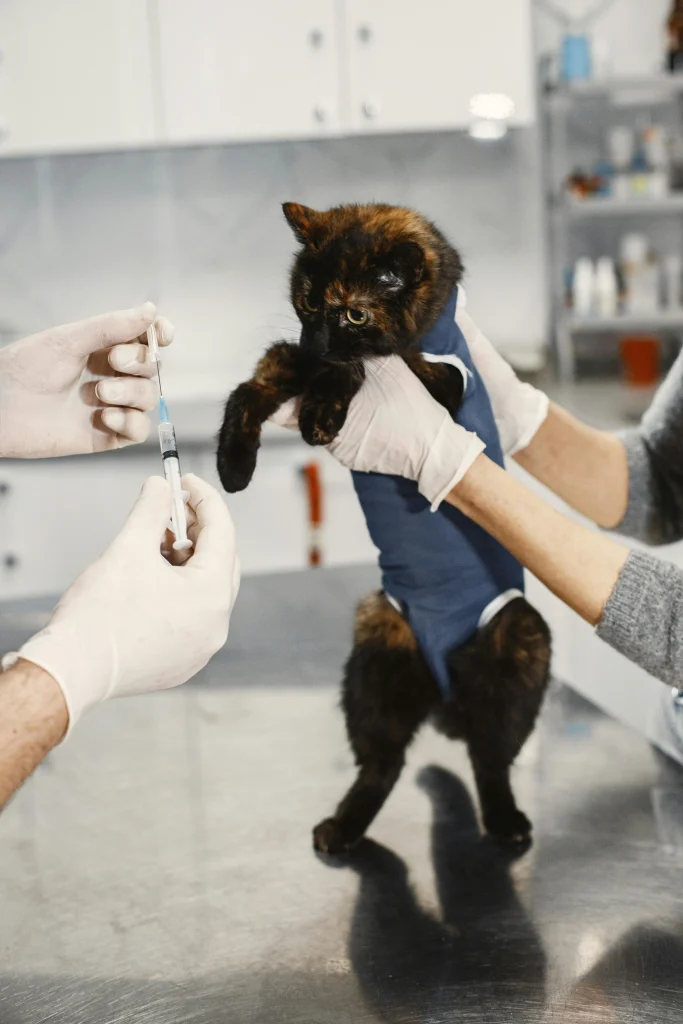
Think of your cat’s vet as their personal health coach. Just like humans need regular check-ups, your cat needs professional health monitoring too. For cats under seven years old, annual check-ups are essential. Once your feline friend enters their golden years (over seven), bump those visits up to twice yearly.
During these visits, your vet can:
Catch potential health issues before they become serious
Keep vaccinations current
Monitor weight and growth
Address any concerns you might have
Provide personalized advice for your cat’s specific needs

Nutrition: You Are What You Eat (And So Is Your Cat!)

Proper nutrition is the cornerstone of good health. Think of your cat’s diet as their daily medicine – it can either contribute to their health or detract from it. Here’s what you need to know:
Quality Matters
Choose high-quality cat food that lists real meat as the first ingredient. While premium food might cost more upfront, it can save you money on veterinary bills in the long run.
Wet vs. Dry Food
Consider incorporating wet food into your cat’s diet. Why? Cats evolved getting most of their moisture from their prey, and many cats don’t drink enough water on their own. Wet food helps ensure proper hydration and can prevent urinary issues.
Hydration Station
Speaking of water, make it interesting! Many cats prefer moving water (it’s an instinct that tells them it’s fresh and safe). Consider investing in a cat water fountain. Place water bowls in multiple locations around your house, away from their food – cats naturally prefer to drink away from their eating area.
Keep Them Moving: Exercise and Enrichment

Just because your cat isn’t leashed-trained doesn’t mean they don’t need exercise! Physical activity is crucial for maintaining a healthy weight and preventing behavior problems.
Daily Play Sessions
Aim for at least two 10-15 minute play sessions daily. Use interactive toys like:
Wand toys (simulating prey movement)
Laser pointers (but always end with a physical toy they can “catch”)
Puzzle feeders for mental stimulation
Ball toys for independent play
Creating an Enriching Environment
Your home should be a cat paradise! Consider:
Installing cat trees for climbing
Setting up window perches for bird watching
Providing scratching posts (both vertical and horizontal)
Creating hiding spots and cozy nooks
Grooming: More Than Just Looking Good
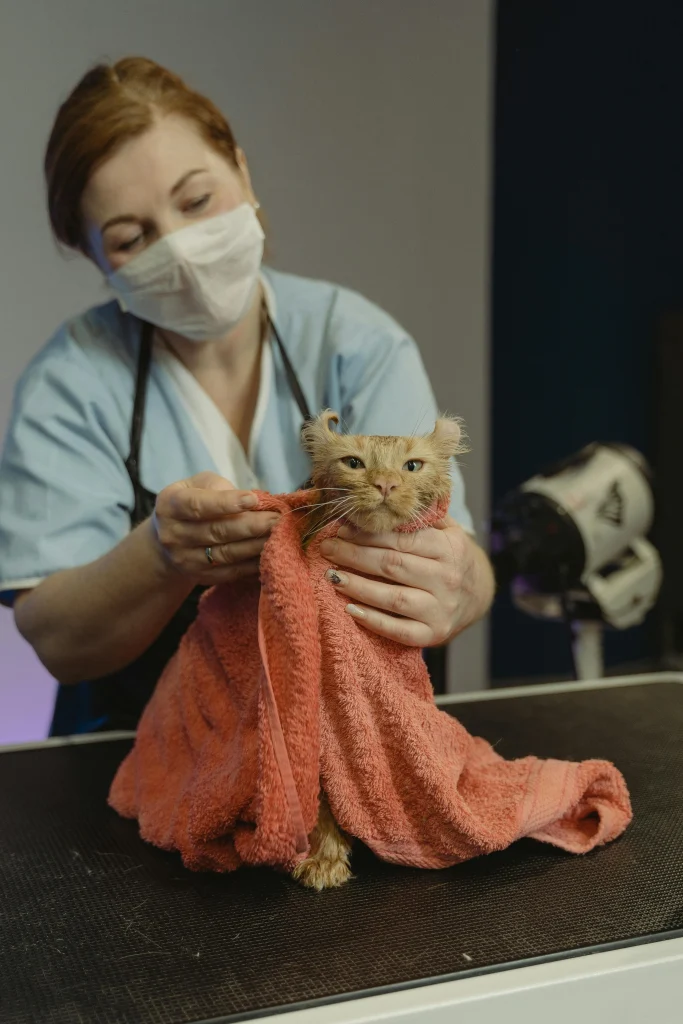
Regular grooming isn’t just about keeping your cat looking their best – it’s a health essential.
Daily Brushing Benefits:
Reduces hairballs
Allows you to check for skin issues
Decreases shedding
Promotes bonding with your cat
Helps distribute natural oils through their coat
Don’t forget about dental health! While not all cats tolerate tooth brushing, there are many dental health products available, from water additives to dental treats.
Preventive Care: An Ounce of Prevention
Stay on top of preventive treatments including:
Regular flea and tick prevention
Deworming as recommended by your vet
Keeping vaccinations current
Spaying or neutering (this prevents certain cancers and unwanted litters)
Health Monitoring: Know Your Cat’s Normal
You are your cat’s best health advocate because you know them best. Keep an eye out for:
Changes in Behavior:
Eating or drinking more or less than usual
Changes in litter box habits
Increased or decreased activity
Changes in vocalization
Different sleeping patterns
Physical Changes:
Weight gain or loss
Lumps or bumps
Changes in coat condition
Bad breath
Difficulty jumping or moving
When to Call the Vet
Don’t wait to seek veterinary care if you notice:
Not eating for more than 24 hours
Lethargy lasting more than a day
Vomiting or diarrhea that persists
Changes in urination
Respiratory issues
The Bottom Line
Keeping your cat healthy doesn’t have to be complicated. By following these guidelines and staying attuned to your cat’s needs, you’re setting them up for a long, healthy life. Remember, every cat is unique, so work with your veterinarian to create a health care plan that’s perfect for your feline friend.
Have questions about your cat’s health? Don’t hesitate to reach out to your veterinarian – they’re your partner in keeping your cat healthy and happy for years to come!






Leave a Comment
Your email address will not be published. Required fields are marked *