Brought to you in collaboration with We Feed Raw. We only partner with brands that reflect our values and standards, ensuring content that benefits you.
If your dog could talk, what would they tell you about their food?
Most devoted dog owners have wondered at least once, especially when that “premium” kibble still leaves pups scratching, shedding, or sluggish after meals. You check the label, look for words like balanced, high-protein, or veterinarian-recommended, and hope it’s enough. But behind those reassuring phrases is a more complicated story about how most commercial kibble is made and what can get lost in the process. ?
Pet parents are becoming increasingly curious about the food in their canine companions’ bowls. Whether your journey began with frustration about persistent health problems or a desire to explore minimally processed diets that mimic aspects of what dogs ate in the wild, there are things you should know about common kibble and an alternative option that could lead to a profound difference in your pup.
1. Why Does Kibble Contain 10 Times More Starch Than Dogs Are Designed to Eat?
If you analyze the natural foods that dogs’ ancestors consumed, the average starch and sugar content is approximately 4%. Yet most commercial dry dog food contains around 40% carbohydrates. That’s a tenfold difference between what canine digestive systems evolved to process and what fills most kibble bags today.
This dramatic disparity matters because mammals, including dogs, lack the ability to handle constant excesses of starch and sugar. Eight hormones raise blood sugar, but only one—insulin—lowers it. Insulin’s evolutionary purpose was to capture rare spikes in blood sugar and store them as fat, a survival advantage when food was scarce. When dogs consume kibble that’s 40% carbohydrate in large daily meals, their insulin systems work overtime managing blood sugar levels they were never designed to handle regularly.
Not coincidentally, approximately 60% of pets are now overweight. The solution isn’t simply choosing “low-fat” kibble, as fat has been incorrectly blamed for decades. Minimally processed, meat-based diets naturally align with the lower carbohydrate levels that canine metabolism evolved to handle.
2. What’s Really Behind Those “Meals” on the Ingredient List?
Understanding what goes into your dog’s bowl means looking beyond the marketing terms and recognizing how processing affects nutritional value. Terms like “chicken meal” or “beef meal” are common on kibble bags, but “meal” refers to rendered, concentrated protein created by cooking animal tissues at high temperatures to remove moisture and fat.
This process keeps protein levels high but can denature heat-sensitive amino acids and destroy natural enzymes necessary for digestion and immune function. The quality of rendered meals varies significantly, with most originating from feed-grade sources, meaning materials deemed unsuitable for human consumption, including expired grocery store meats and other less desirable animal parts.
When creating a shelf-stable ingredient, the rendering process fundamentally alters a protein’s nutritional profile. On the other hand, fresh, whole proteins maintain their amino acid profiles and natural enzyme content, supporting everything from muscle maintenance to immune system function.
3. Why Do So Many Dogs on Kibble Struggle With Allergies and Sensitivities?

Photo by
Rachel Claire
Hot spots, recurring ear infections, and allergic reactions are common in canines, and although individual responses vary widely, your pet’s kibble is one factor worth examining. Since heat processing can alter protein structures, it can also make them harder for some dogs’ immune systems to recognize.
When proteins are denatured by extreme heat, the immune system may fail to recognize them, treating them as foreign invaders. Additionally, multiple protein sources, grains, and additives in commercial dry food may exacerbate issues in sensitive dogs.
Worse, the high-heat process creates Advanced Glycation End Products (AGEs). These compounds are linked to chronic inflammation and accelerated aging. In both animals and humans, AGEs have been associated with heart disease, kidney failure, certain cancers, and several other degenerative conditions.
Storage also matters. Even premium kibble can oxidize after opening. The fats in kibble begin breaking down immediately when the bag is opened, exposing the food to air and light. This oxidation process can also create compounds that contribute to inflammation and may exacerbate existing sensitivities.
It’s important to work with your veterinarian to identify true food allergies versus other causes of these symptoms. Still, a minimally processed, single-protein diet may help reduce exposure to common allergens by preserving protein integrity.
4. Does Grain-Free Food Really Make a Difference?

Grain-free diets emerged to mimic a more ancestral canine diet, but it’s important to distinguish between grain-free kibbles and naturally grain-free diets. In grain-free kibble formulations, grains are often replaced with legumes, potatoes, and other starchy foods. These ingredients can pose risks of their own. The FDA has been conducting ongoing investigations into potential links between certain grain-free, legume-heavy diets and dilated cardiomyopathy (DCM) in dogs.
A definitive causal link has not yet been established, but the solution doesn’t seem to be swapping one carbohydrate source for another. Even “high-protein” kibble can contain 30–40% carbohydrates, considerably more than what wild canids typically consume. These high carbohydrate levels, regardless of source, can affect blood sugar regulation and may contribute to weight gain and metabolic issues.
Naturally grain-free diets may better align with dogs’ ancestral nutritional patterns. The key is understanding that the amount and type of carbohydrates matter, not just whether they come from grains or alternative sources.
5. Why Is My Dog Constantly Hungry on Premium Kibble?
Some dogs on processed kibble appear unsatisfied after meals, often returning to their empty bowl or begging for more food shortly after eating. Possible reasons include rapid digestion, which may cause blood sugar fluctuations; low moisture content (around 10%), which affects satiety signals; and the absence of natural digestive enzymes, which are destroyed during heat processing.
When food moves through the digestive system too quickly, it can create a cycle of hunger and overeating. The lack of moisture in kibble means dogs must drink significant amounts of water separately, which can dilute digestive enzymes and make the digestive process less efficient. Additionally, because kibble lacks the natural enzymes found in raw foods, the pancreas must work harder to produce its own digestive enzymes, potentially leading to long-term pancreatic stress.
Minimally processed diets provide higher moisture content, naturally occurring enzymes, and intact protein structures that may promote satiety and support digestion for some dogs. The combination of moisture, enzymes, and bioavailable nutrients creates a more satisfying meal that supports natural digestive processes.
Alissa’s Answer: We Feed Raw

Alissa Zalneraitis
Original founder and friend to all pets
Alissa Zalneraitis, an avid animal lover, wanted to find a way to help her 10 rescue dogs live long, happy, healthy lives and knew that started with optimal nutrition. Inspired by her pack’s pint-sized alpha, a tiny Dachshund named Teddy, she set out to uncover the ideal dog diet.
After transitioning her pets from highly processed kibble to high-quality raw food, the transformation was remarkable. If raw feeding is the way to go, there had to be a way to make it safer and more accessible. What started as one dog lover’s mission to help her rescues has evolved into a comprehensive solution that addresses every common concern about raw feeding:
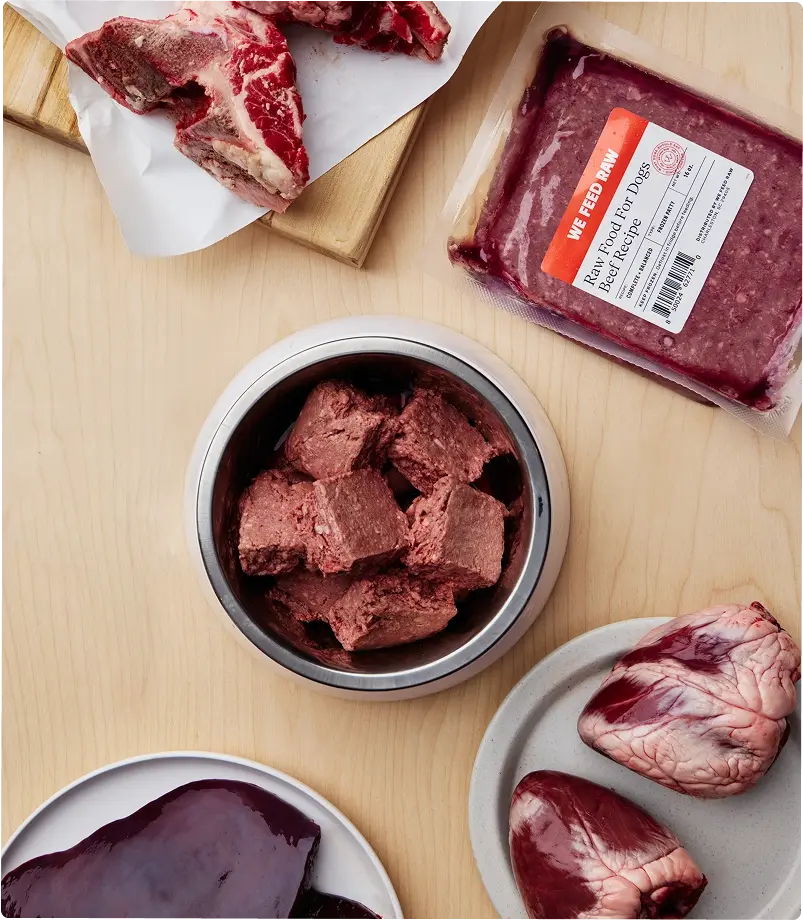
Pathogen-Free Processing: HPP (High-Pressure Processing) is an FDA-approved pathogen reduction method that preserves nutrients without heat, eliminating harmful bacteria while maintaining the nutritional integrity of raw ingredients. When done correctly, it’s as safe as gently cooking.
Nutritionally Complete: PhD-formulated recipes that meet AAFCO standards for complete and balanced nutrition, ensuring your dog receives all essential nutrients in proper proportions.
Transparent Sourcing: USDA-inspected meats from trusted farms in the USA and New Zealand, with full traceability from farm to bowl.
Effortless Convenience: Pre-portioned freeze-dried or frozen meals, ready to thaw and serve, eliminating the guesswork and mess of preparing raw meals yourself.
In 2014, Alissa tragically passed, and Teddy soon followed—at age 18. Fighting through these losses and the grief that followed, the family found solace in honoring Alissa’s legacy.
Amy Zalneraitis, proud sister, co-founder, and Chief Brand Officer, was instrumental in leading the company’s nationwide expansion. Today, We Feed Raw has delivered over 20 million meals nationwide, guided by PhD animal nutritionists and veterinary advisors who bring rigorous scientific expertise to every formulation.
Your Dog’s Health Journey Starts With Informed Choices
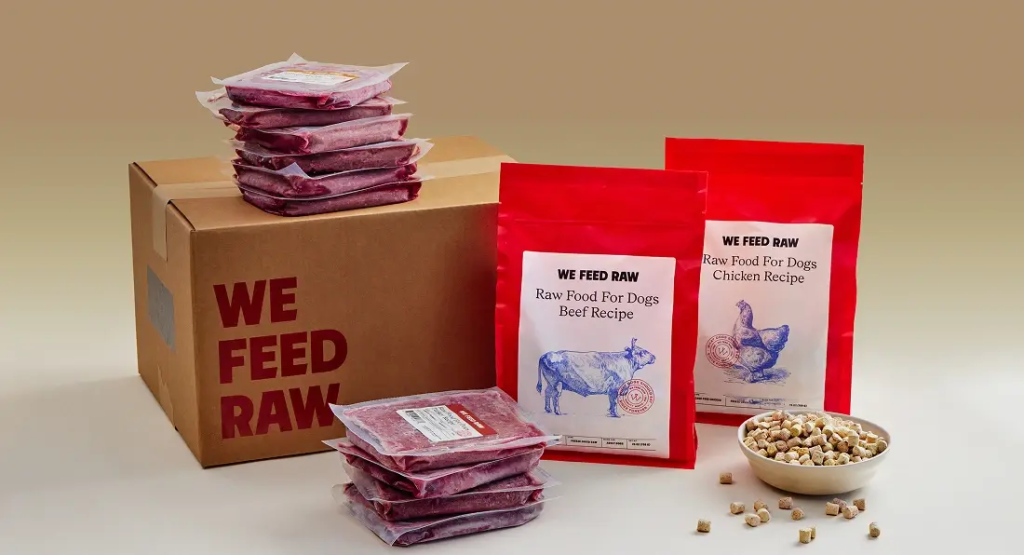
Every dog deserves food that supports their individual health needs. If you notice signs that your current diet isn’t meeting those needs, exploring alternatives with guidance from your veterinarian can help you make the best choice for your furry friend.?
We Feed Raw provides minimally processed meals grounded in nutritional science, offering a quality approach to canine nutrition. Their meals meet AAFCO standards for complete and balanced nutrition, are sourced from USDA-approved, human-grade meats, and use high-pressure processing technology to address pathogen concerns without compromising nutritional integrity.
Rest assured, the journey to better health doesn’t require perfection, just progress. Whether you choose to fully transition to raw feeding or simply incorporate it into your dog’s diet, paying attention to how your dog responds and working with knowledgeable professionals ensures you’re making decisions that truly benefit your companion’s well-being.
If you’re considering a diet change for your pup, the We Feed Raw Freeze-Dried Beef Recipe might be the perfect entry point. It offers the convenience of kibble with the benefits of raw food. If you’re ready to dive right in, why not create your pet’s profile and start a personalized meal plan?
Products are cold-shipped for FREE anywhere in the contiguous U.S., and right now, you can enjoy 40% off your first box!
EXPLORE YOUR OPTIONS
A dog’s dietary needs depend on individual health status, life stage, and activity level. Before making significant dietary changes, especially for puppies, dogs with existing health conditions, or senior dogs, consult with your veterinarian. We Feed Raw is not intended to diagnose, treat, or cure disease.



Leave a Comment
Your email address will not be published. Required fields are marked *